Bloat, technically gastric dilation volvulus (GDV), happens when the stomach fills with gas and then rotates on itself. The rotation cuts off blood supply, traps the gas, and puts pressure on nearby organs. Left untreated, GDV kills within hours.Even with emergency surgery, mortality is high. The dogs most at risk are the ones with deep, narrow chests -Great Danes, German Shepherds, Standard Poodles, Weimaraners, Saint Bernards, Boxers, Doberman Pinschers, and other large or giant deep-chested breeds.
The Anatomy
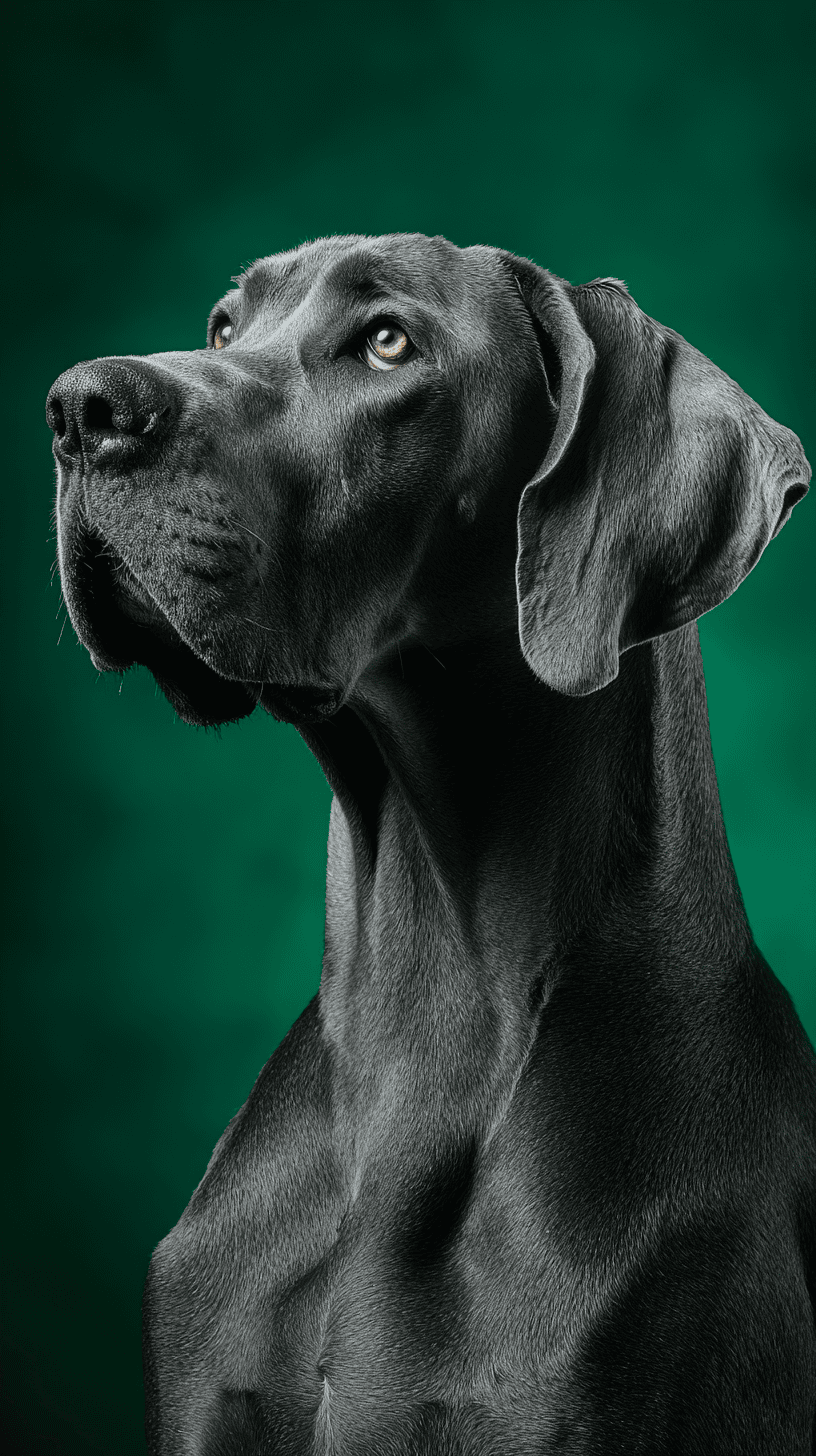
Chest shape drives risk.
Deep, narrow chests give the stomach room to move. In breeds with the highest risk, that mobility becomes vulnerability -the stomach can flip when the dog eats too fast, drinks a lot, exercises after meals, or occasionally for no obvious reason at all.A Great Dane has roughly a 40 percent lifetime chance of developing GDV without prevention. That number should be alarming. It is one of the highest breed-specific risk factors in all of veterinary medicine.
The Prevention
A permanent anchor.
Gastropexy is a surgical procedure that permanently attaches the stomach to the abdominal wall. Once the stomach is anchored, it cannot rotate. The dog can still develop gas or bloating, but the deadly rotation -the volvulus part of GDV -cannot happen.The stomach's anchoring does not affect digestion, eating, or normal daily function. Your dog will not notice it is there. What it does is remove the highest-risk mechanism for a fatal emergency.
The Approach
A small procedure with a big payoff.
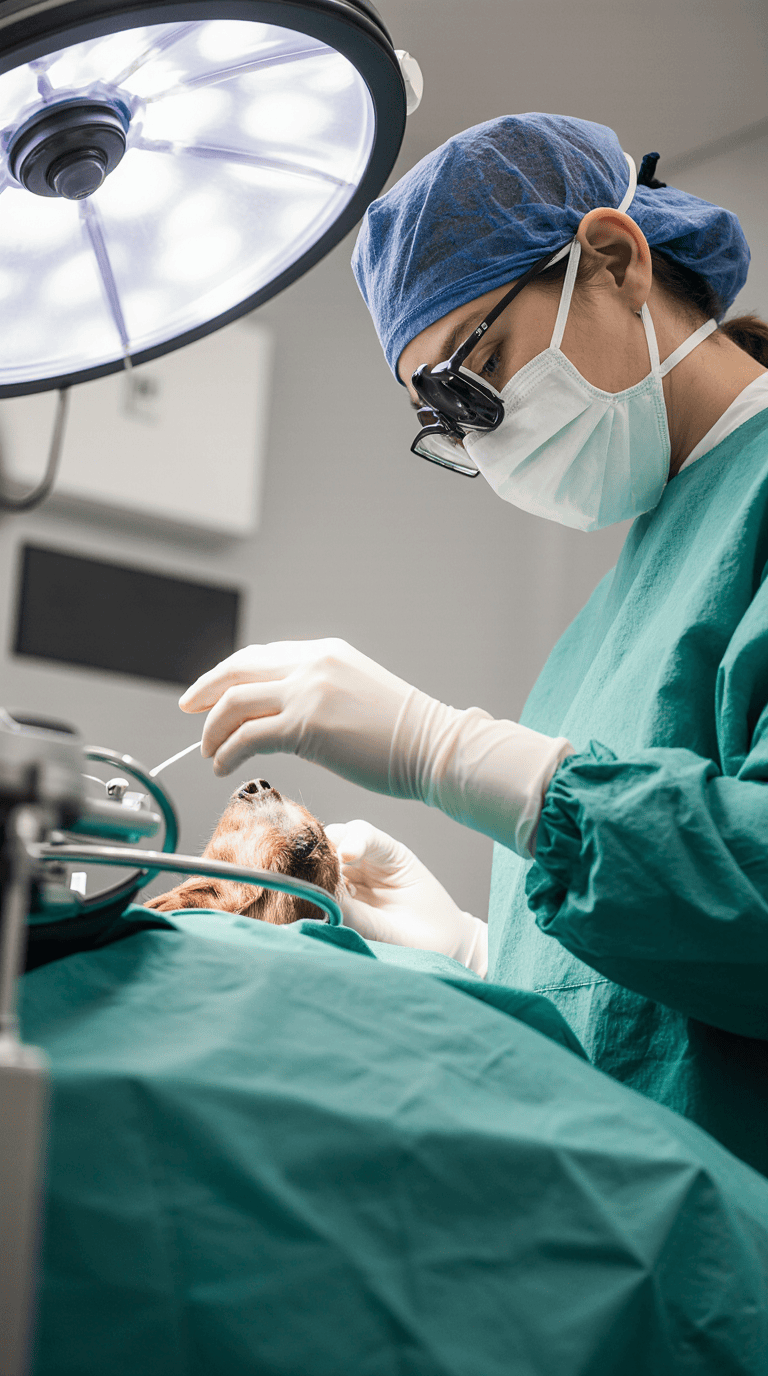
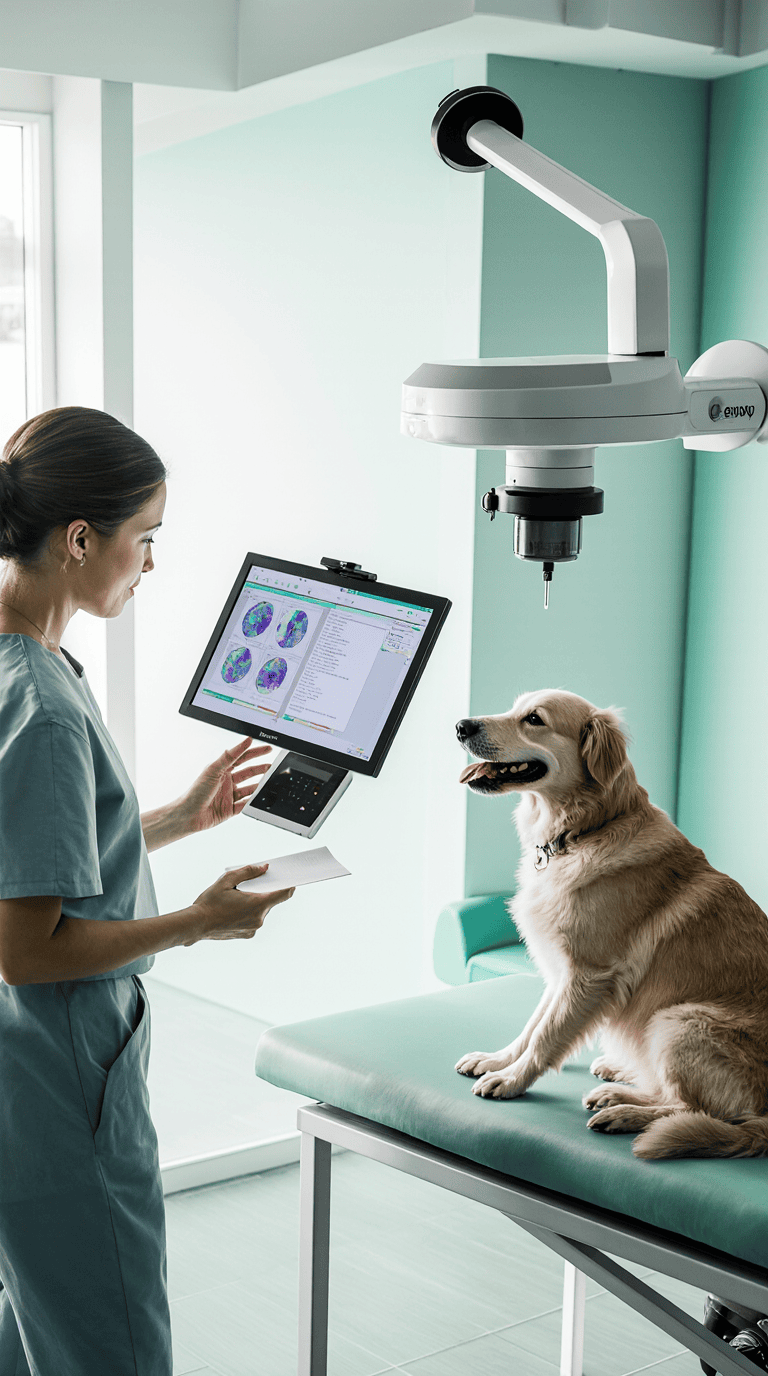
Traditional gastropexy uses a larger abdominal incision and a longer recovery. Laparoscopic gastropexy uses two half-inch incisions and a camera. The end result is the same permanent anchor. The difference is recovery.Most laparoscopic gastropexy patients are comfortable within a day or two. Traditional recovery takes closer to two weeks. For a preventive procedure on an otherwise healthy dog, laparoscopic is almost always the right choice.
The Timing
Sooner is better.
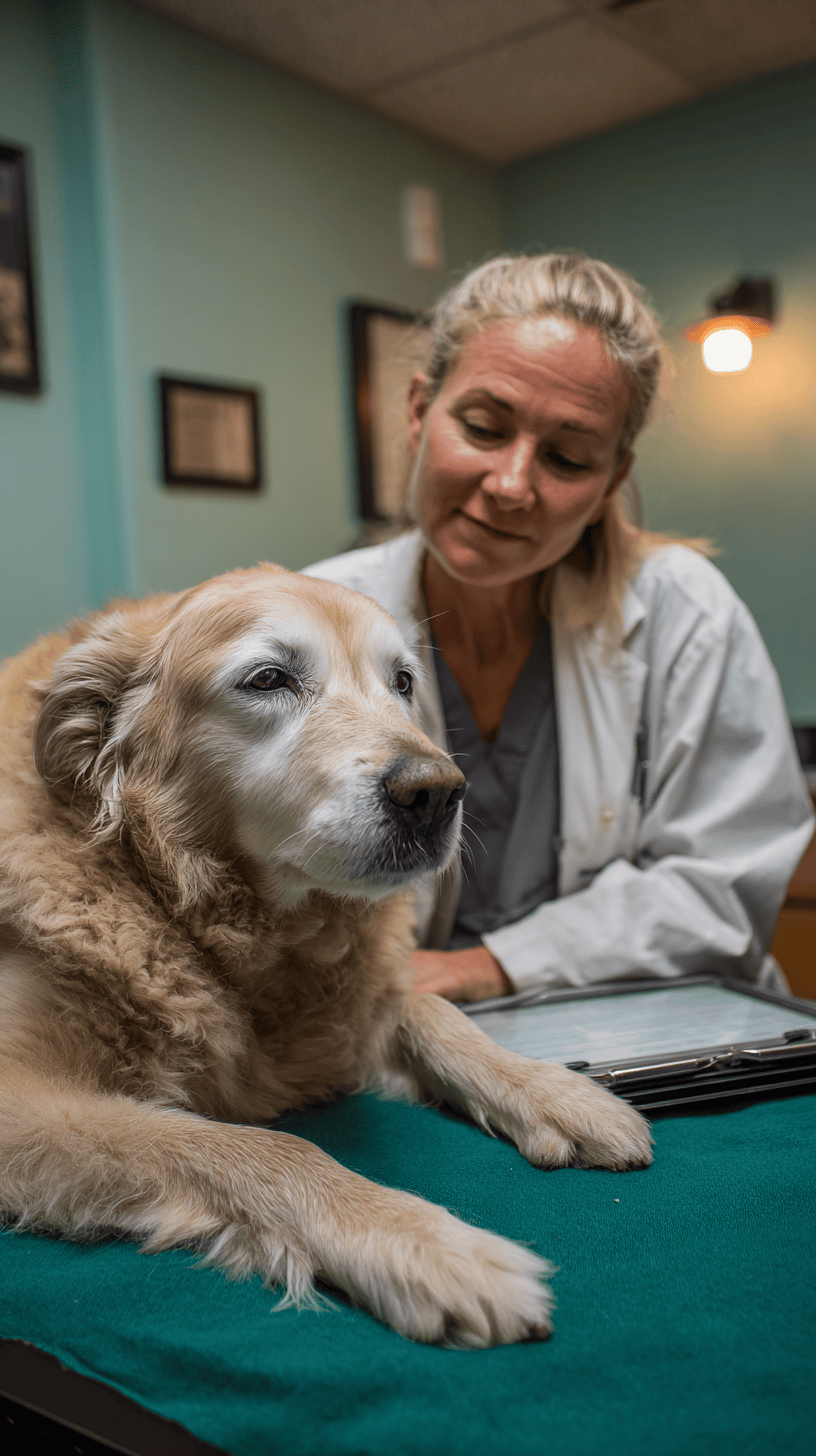
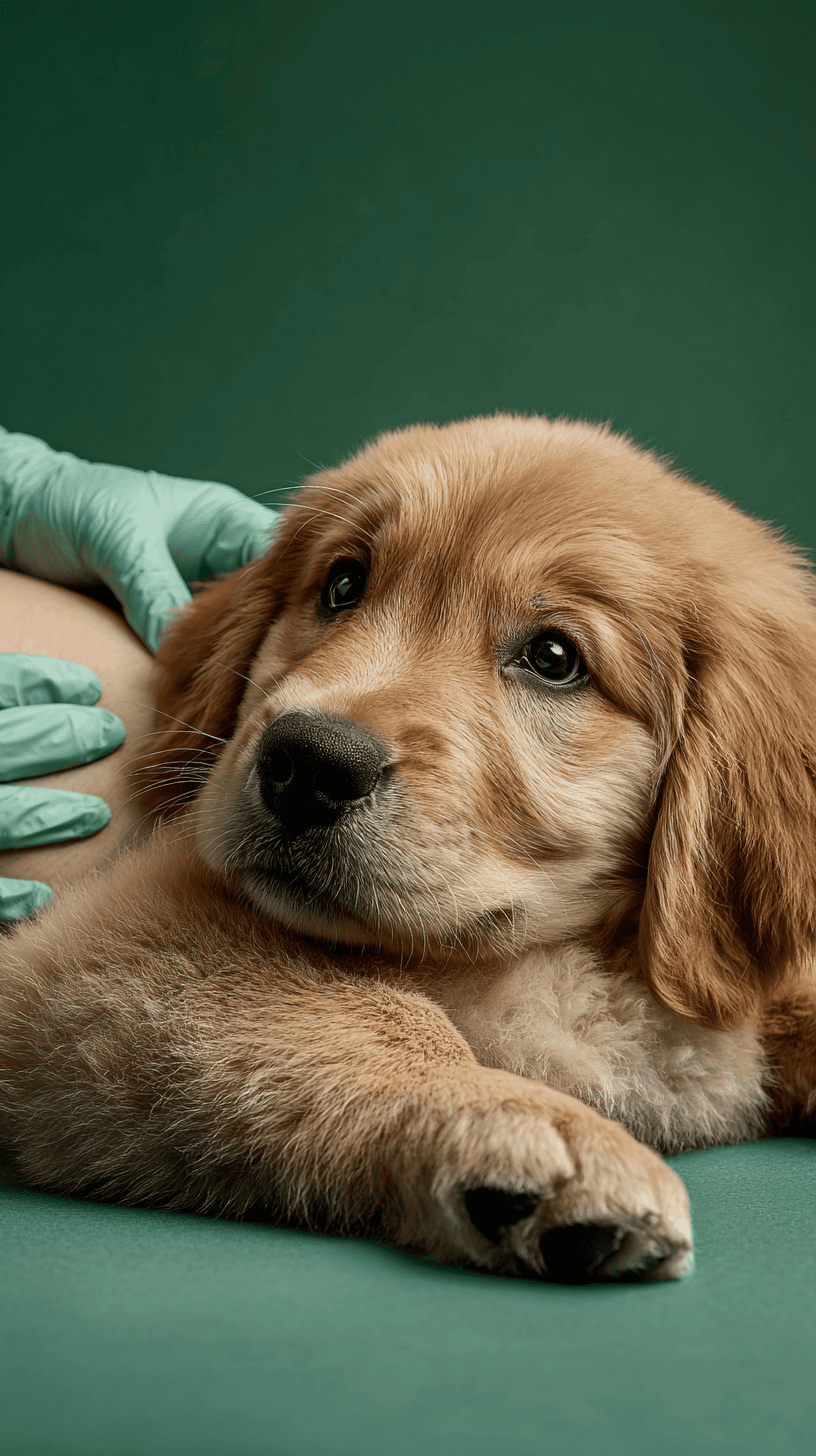
The best time is at the same visit as spay or neuter. The dog is already under anesthesia, already recovering from one abdominal procedure, and the combined recovery is not much longer than either procedure alone.For dogs who have already been spayed or neutered, we can do gastropexy on its own -still laparoscopic, still minimally invasive. Adult dogs of any age benefit. The younger, the more lifetime protection your dog gets.
The Decision
Talk to us about breed risk.
We routinely recommend preventive gastropexy for Great Danes, German Shepherds, Weimaraners, Standard Poodles, Saint Bernards, and other high-risk breeds. Mixed-breed dogs with deep-chested body types benefit too.The decision is a conversation. We look at your dog's specific breed, body type, and family history. If bloat runs in the line, that is a strong reason to schedule prevention. If your dog is on the fence, we help you weigh the risk honestly.
Frequently Asked Questions
Is my dog at high enough risk to justify this?
If your dog is a Great Dane, German Shepherd, Weimaraner, Standard Poodle, Saint Bernard, or another deep-chested large breed, the risk is high enough that most veterinarians recommend prevention. We are happy to talk through your specific dog's risk.
When is the best time to schedule it?
At the same visit as spay or neuter is ideal -one anesthesia, one recovery, permanent protection. For adult dogs already spayed or neutered, gastropexy on its own is straightforward. Younger is generally better for lifetime protection.
How long is recovery from laparoscopic gastropexy?
Most patients are comfortable within a day or two and back to normal activity within a week. Two small incisions heal quickly. Compared to traditional gastropexy or, worse, an emergency GDV surgery, the recovery is minimal.
Go Deeper
The procedure.
Read how laparoscopic gastropexy works at Oso, and what recovery actually looks like.