A single urinary tract infection is common and usually clears with antibiotics. When infections keep coming back within weeks or months of treatment, something else is usually going on. The infection is a symptom, not the whole problem.Recurring UTIs almost always have an underlying cause -stones, an anatomic abnormality, a bladder wall condition, or a metabolic issue that changes urine chemistry. Finding and treating that cause is what stops the cycle.
The Signs
Familiar signs, familiar frustration.
Frequent squatting with small amounts of urine. Accidents in the house from a dog who is otherwise well-trained. Blood in the urine. Straining or discomfort. Excessive licking at the area.You have probably seen these before, maybe treated them, maybe watched them come back. That pattern -clear, come back, clear, come back -is the reason to dig deeper than another round of antibiotics.
The Limit
Treating the infection does not treat the cause.
Antibiotics clear the current bacterial infection but do nothing about what is causing infections to keep starting. A bladder stone irritating the bladder wall. A pocket of anatomy that traps bacteria. Urine chemistry that supports bacterial growth.If the underlying cause remains, the next infection is only a matter of time. Repeated antibiotic use also raises resistance concerns -the medication that worked last time may not work next time.
The Workup
We look further than urinalysis.
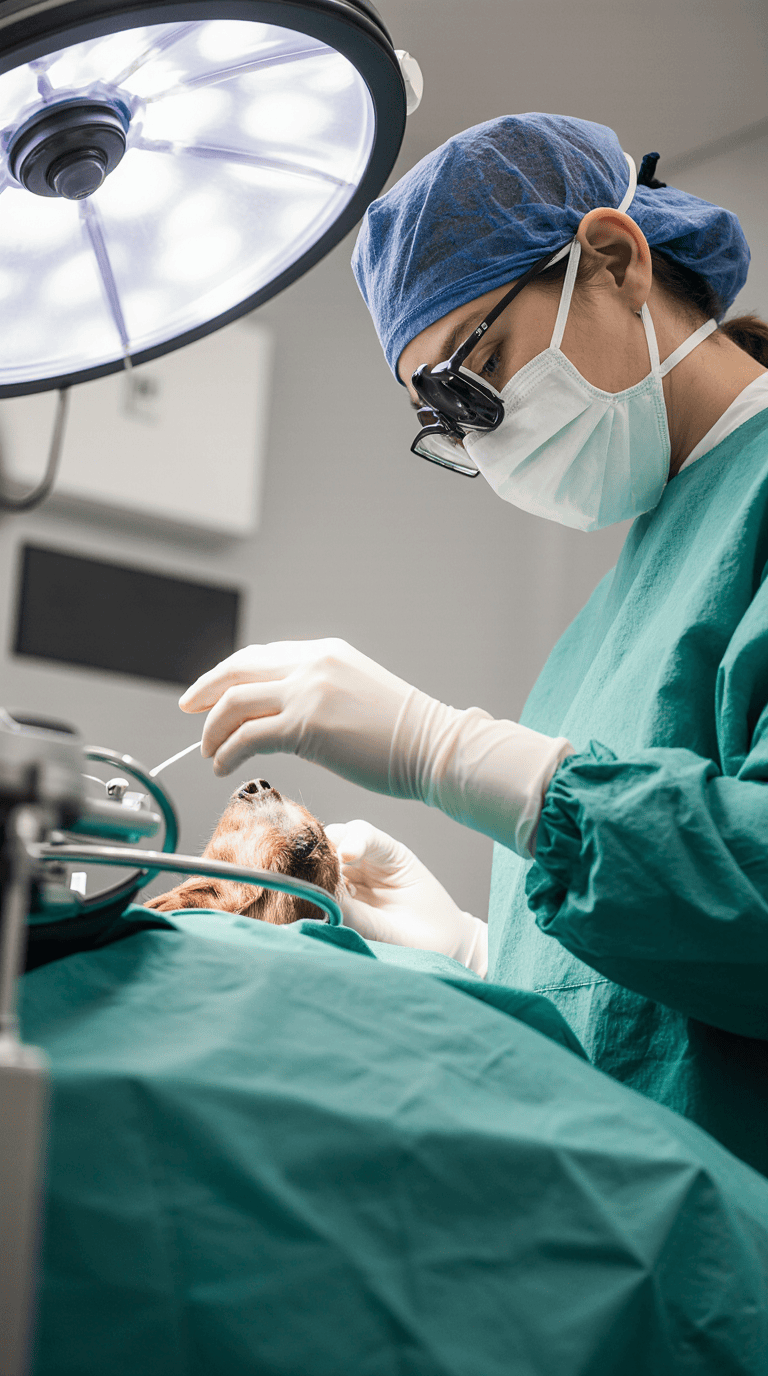
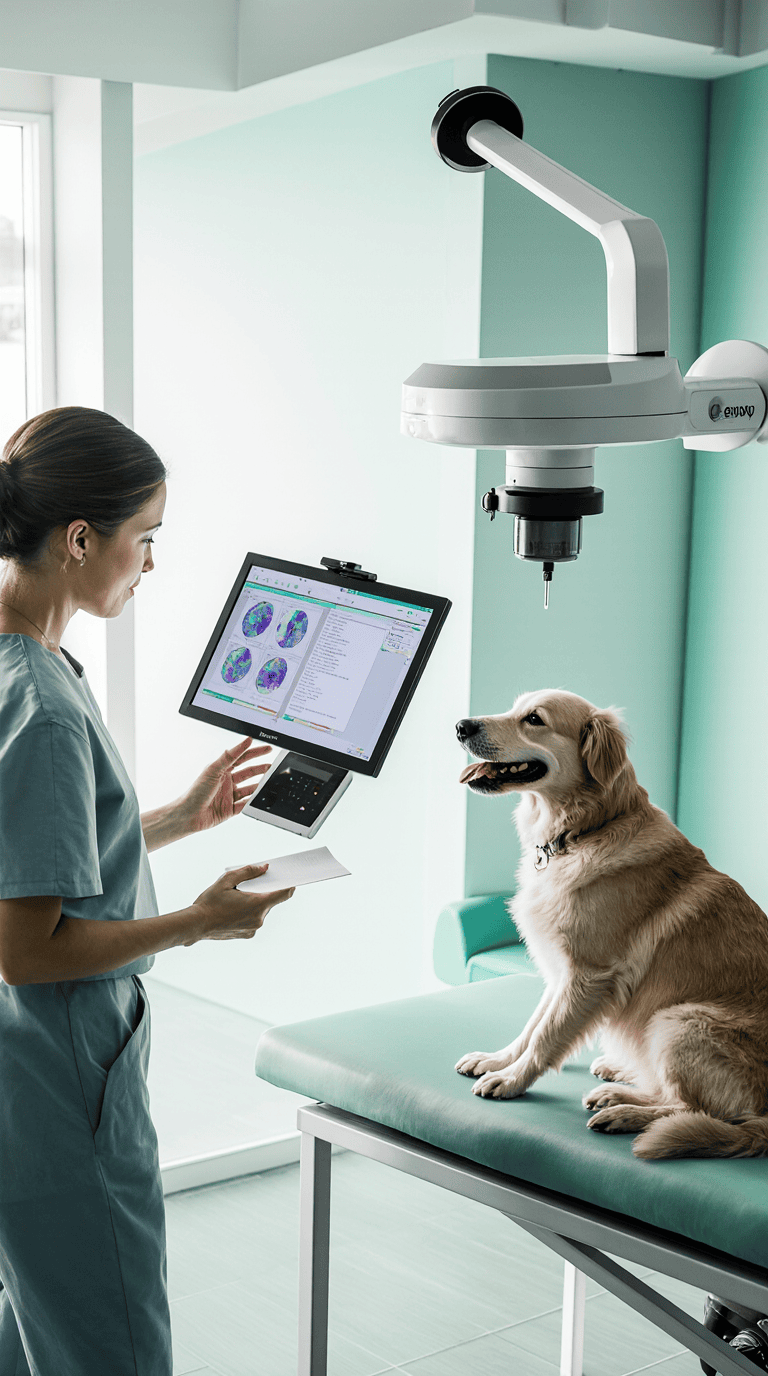
A urinalysis identifies infection. Urine culture identifies which bacteria and which antibiotics will work. Imaging -radiographs and ultrasound -looks for stones, thickened bladder walls, and structural issues that trap bacteria.For dogs where imaging is inconclusive, cystoscopy lets us look inside the bladder directly with a small camera. We can see the bladder wall, identify polyps or masses, and catch stones that other imaging missed.
The Common Causes
The usual suspects.
Bladder stones cause chronic irritation and give bacteria places to hide -this is one of the most common causes we find. Anatomic abnormalities, especially in female dogs, can trap bacteria in urine pockets. Bladder polyps can shelter recurring infections.Underlying metabolic conditions -Cushing's disease, diabetes, kidney disease -can change urine chemistry and predispose to infection. Once we identify what is driving your dog's pattern, we can build a plan that addresses it directly.
The Plan
Address the cause, break the cycle.
When we find bladder stones, we remove them -often with laser lithotripsy for eligible cases. When we find anatomic issues, we discuss surgical options. When we find metabolic conditions, we treat those with the primary condition in mind.Follow-up urine monitoring is part of any long-term plan. Most dogs with recurring UTIs can be brought to a stable, healthy state with the right diagnosis and the right intervention. It is not just more antibiotics -it is finding out why.
Frequently Asked Questions
My dog keeps getting UTIs. Why won't they stop?
Recurring infections almost always have an underlying cause -bladder stones, anatomic issues, bladder wall conditions, or metabolic problems. Antibiotics clear the current infection but not the cause. Investigating what is driving the pattern is how we stop it.
What tests should we run?
Beyond a standard urinalysis, we recommend urine culture, imaging (radiographs and ultrasound), and often cystoscopy for cases where imaging is inconclusive. The goal is finding the underlying cause, not treating one more infection.
How do we prevent the next one?
Prevention depends on what we find. Stones get removed. Anatomic issues get addressed. Metabolic conditions get treated. Diet changes and long-term monitoring are common. Most dogs do well long-term once the underlying cause is identified and addressed.
Go Deeper
The procedures.
Read how each approach actually works, step by step.