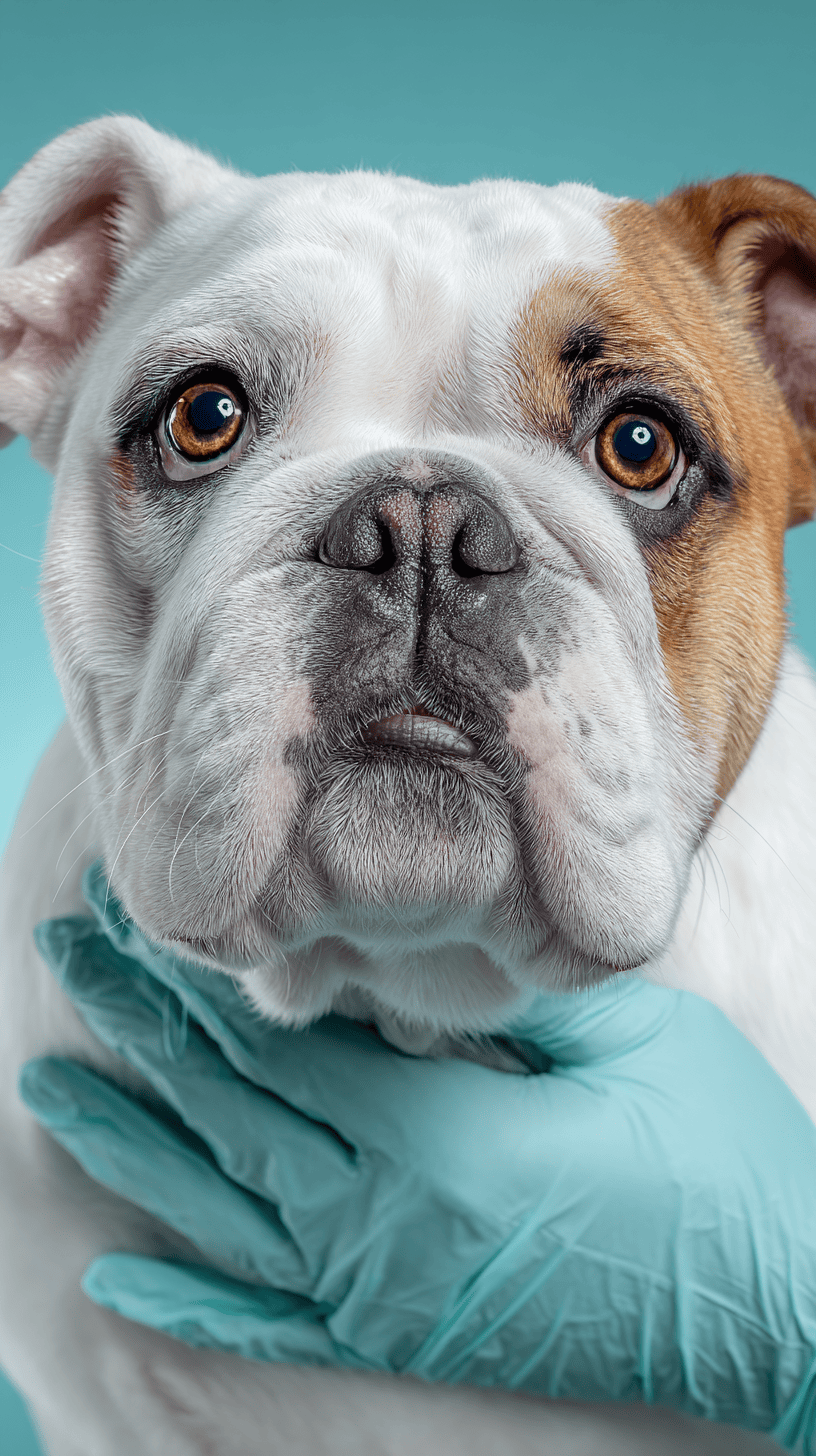
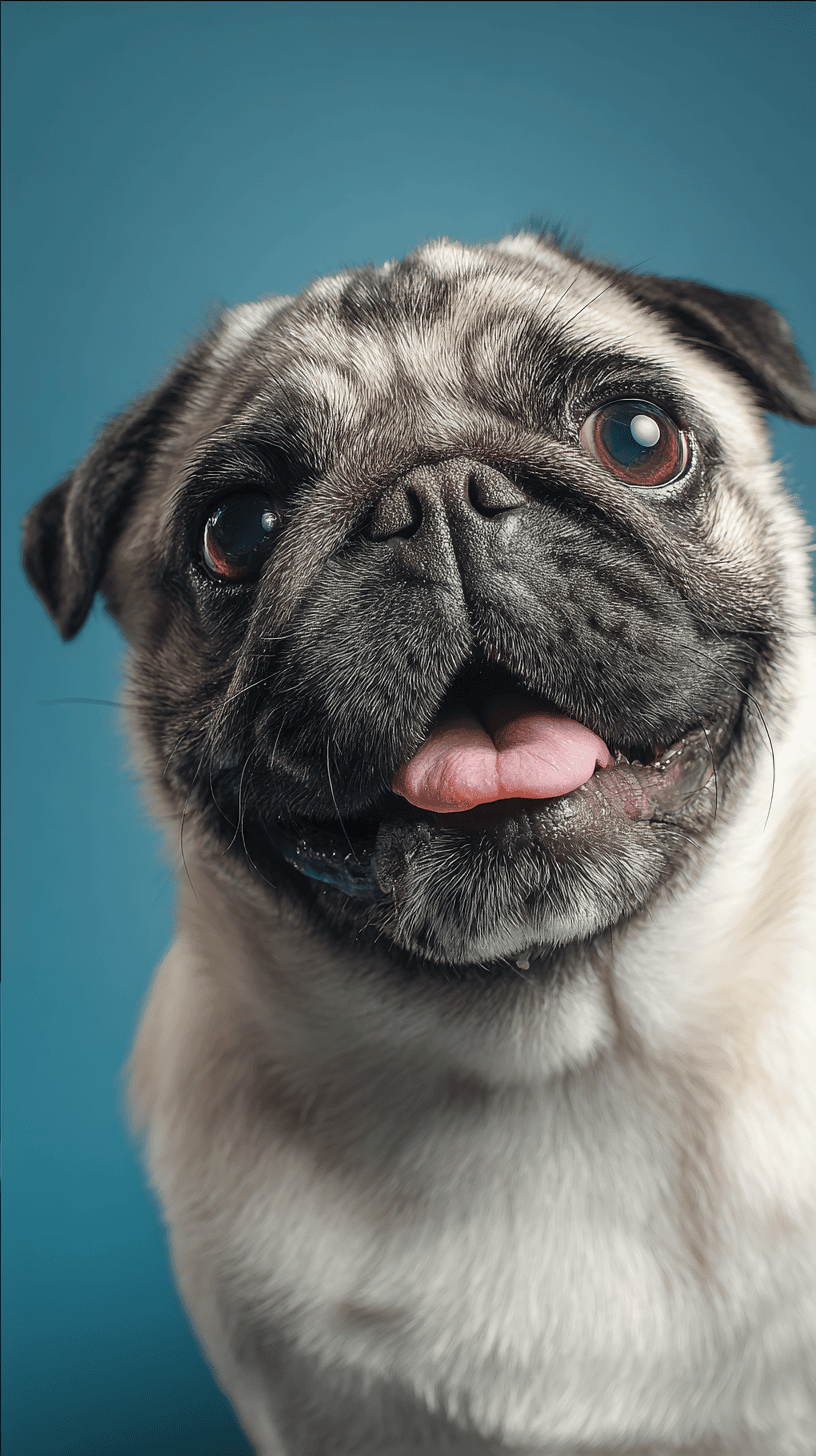
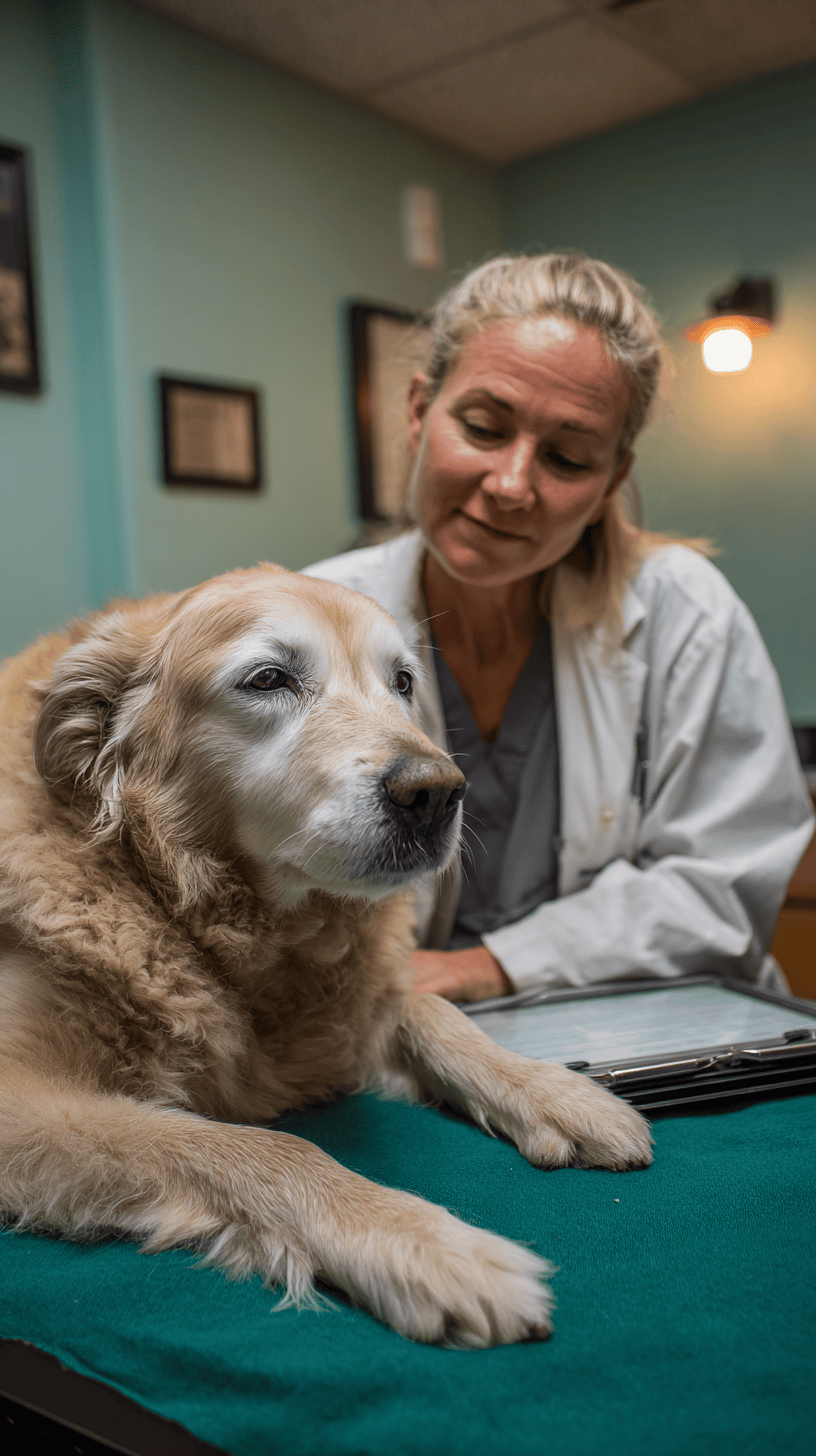
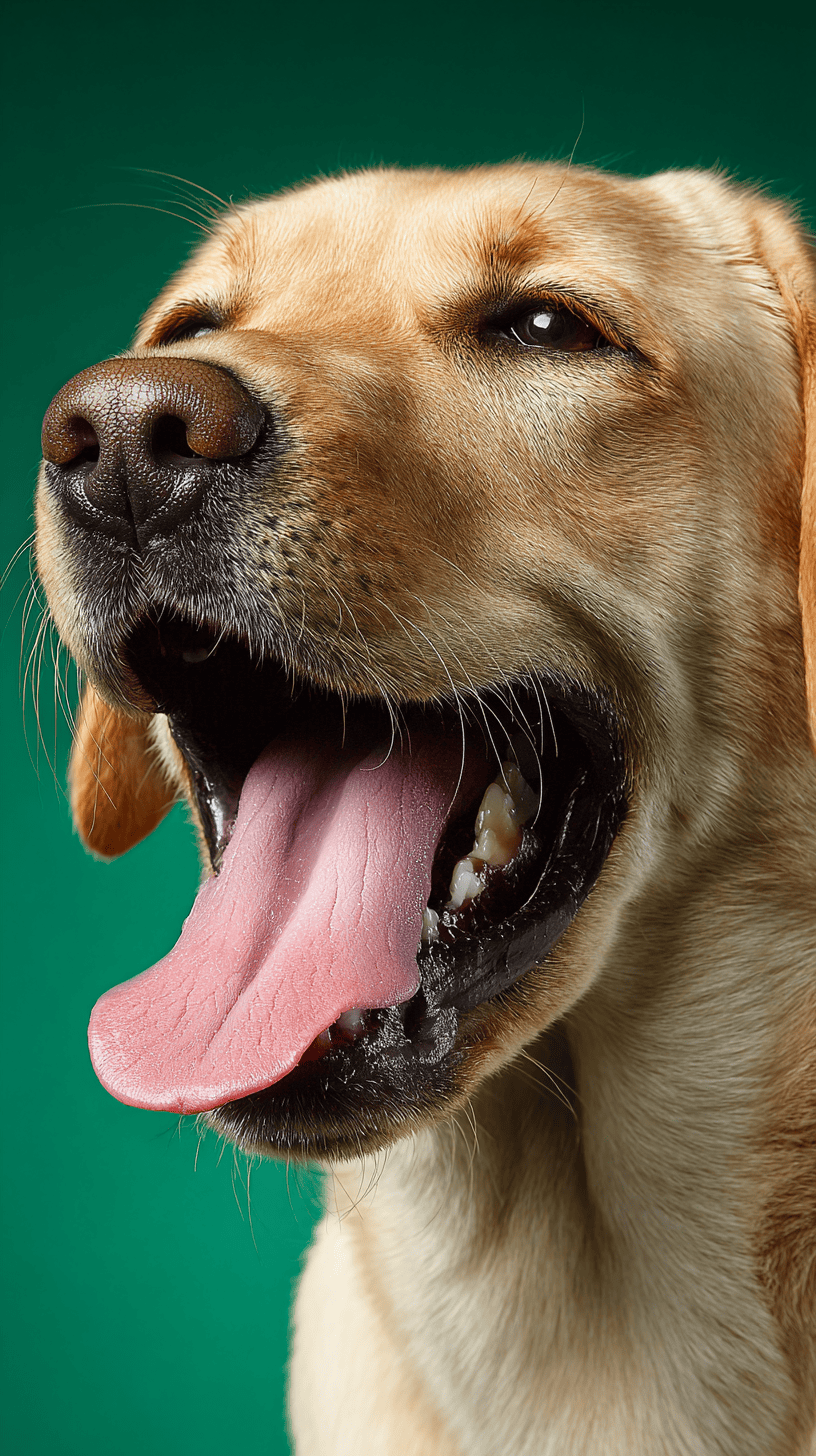
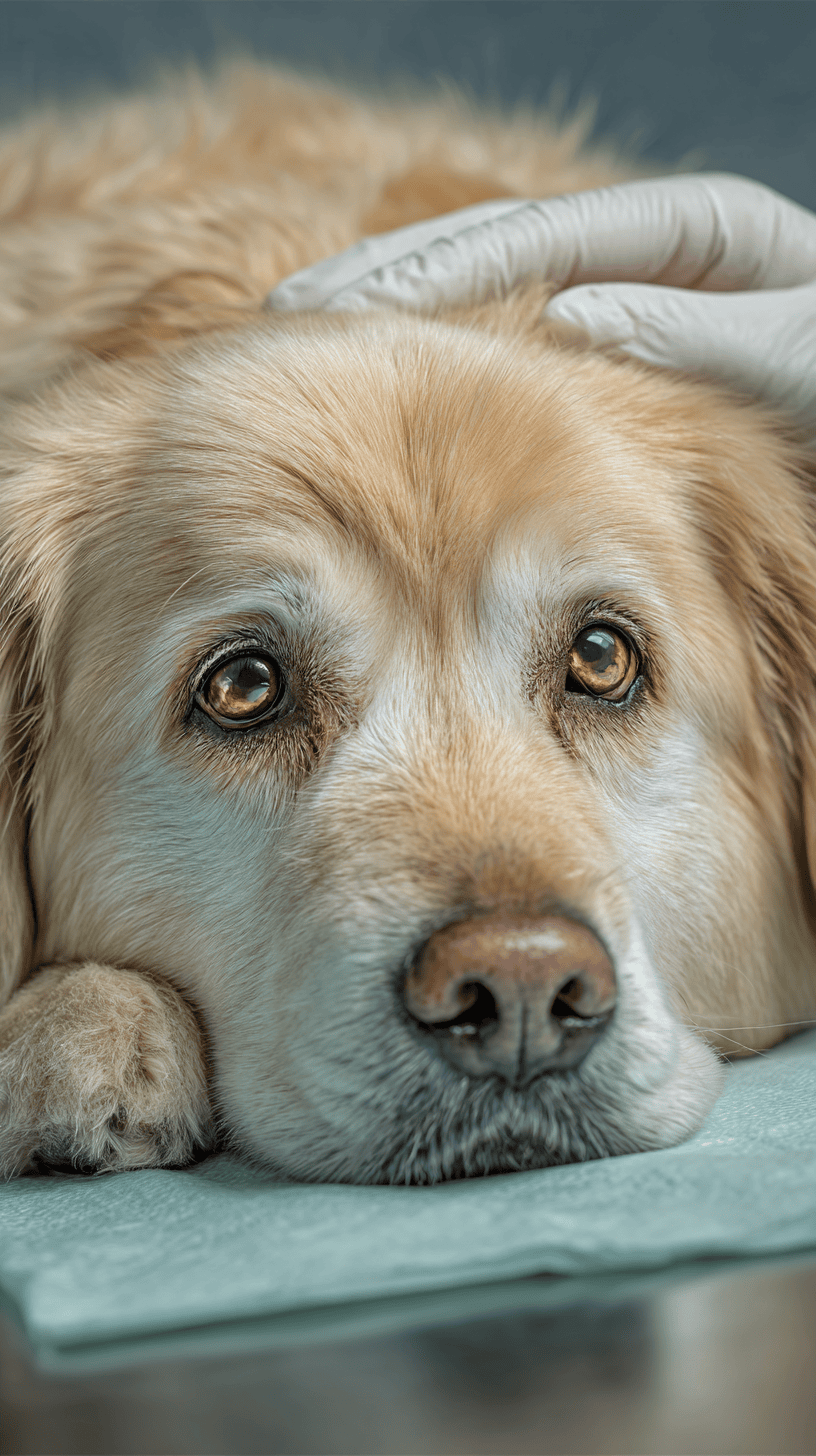
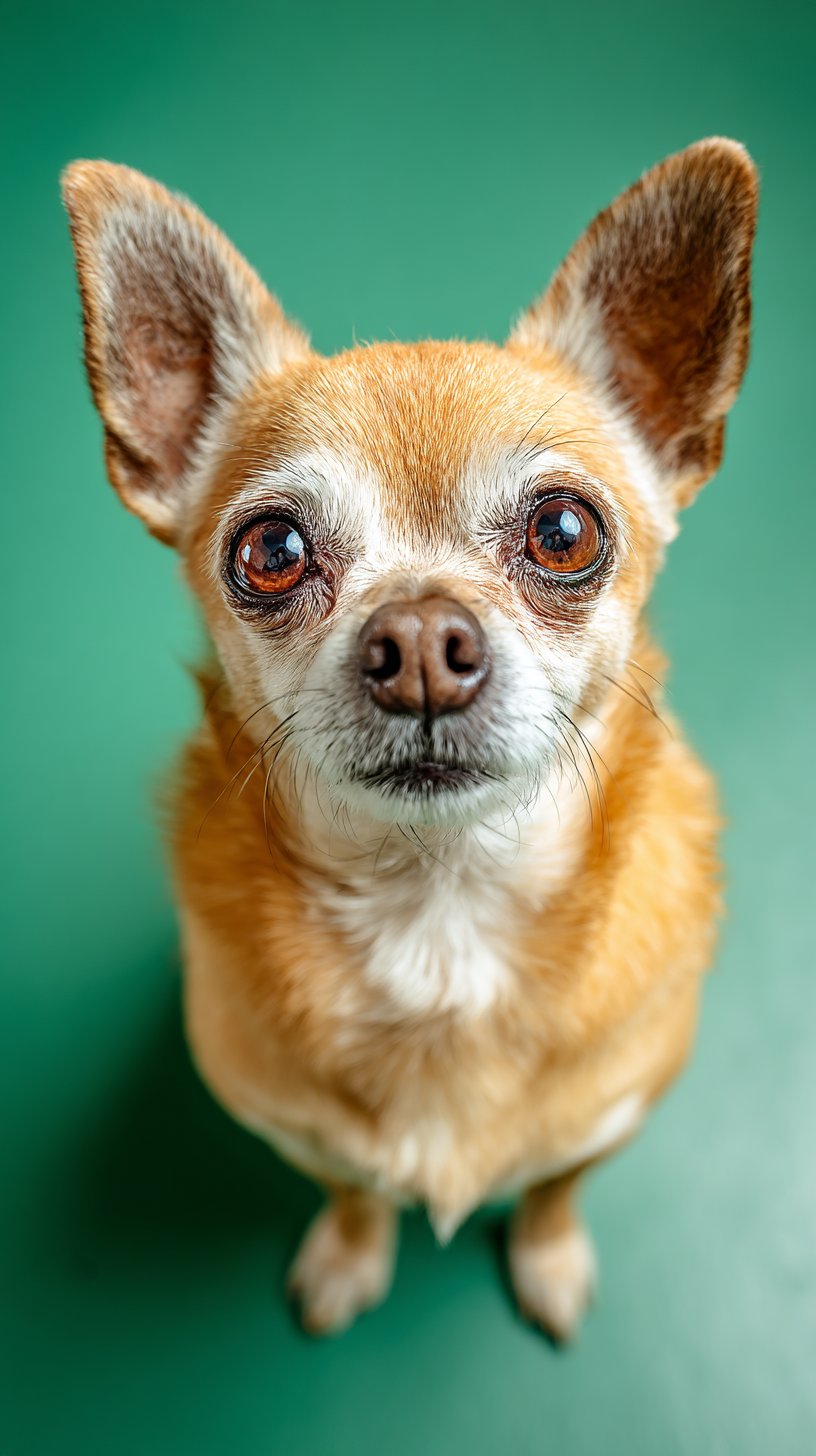
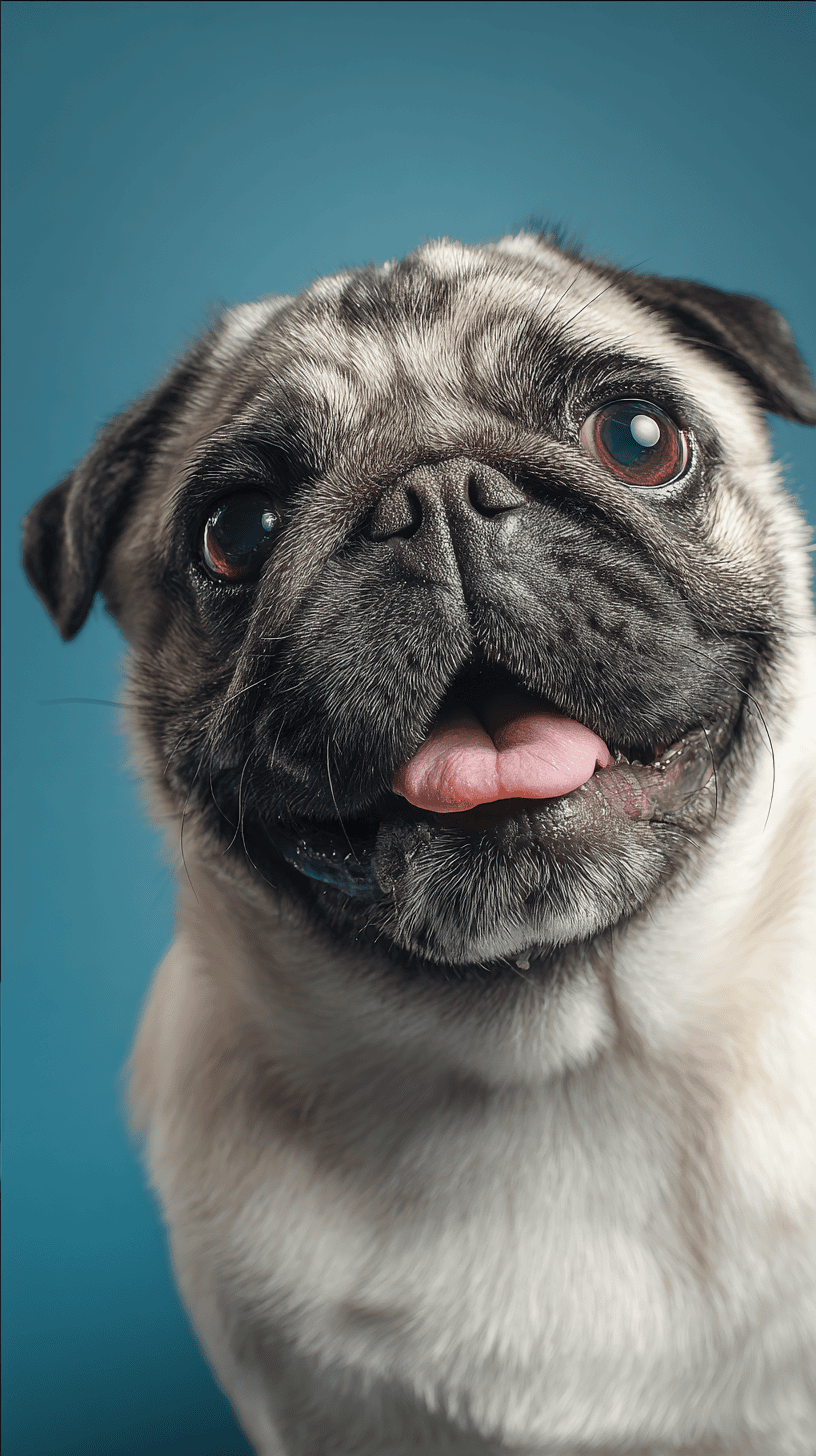
Loud snoring at rest. Snorting when they get excited. That reverse-sneezing sound after a walk. A soft rasp on inhalation that you have started to notice more.These are not personality quirks. They are the sound of air fighting its way through an airway that is smaller than it should be. Every one of those sounds means your dog is working harder to breathe than a normal-airway dog would.
The Cause
A flat face, a compressed airway.
Bulldogs and other flat-faced breeds were selectively bred for shorter skulls. But the soft tissue inside the airway -the palate, the throat, the nasal passages -did not shrink to match. The result is too much tissue packed into too little space.Narrow nostrils force air through a straw. An elongated soft palate hangs into the throat and partially blocks it. A narrowed windpipe adds resistance. Some dogs have one component; many have all three.
The Daily Signs
Small things add up.
Loud snoring during sleep. Gagging or coughing after excitement. Getting winded on short walks that used to be easy. Overheating in mild weather. Sleeping with the head propped up or the neck extended to keep the airway open.Some dogs vomit or regurgitate frequently, which is a downstream effect of the same airway pressure. Others turn blue at the gums after exertion. If your dog does any of this daily, an airway assessment is worth doing.
The Urgent Signs
Some symptoms cannot wait.
Gums that turn blue or gray and stay that way. Collapse. Extreme difficulty breathing at rest. Severe overheating that will not resolve with rest and cooling. Any of these means head to the ER immediately, not wait for a next-day appointment.Brachycephalic dogs also overheat far faster than other breeds. On a warm day, a struggling airway can turn into a heatstroke emergency within minutes. Know the signs and act early.
The Fix
We correct what needs correcting.
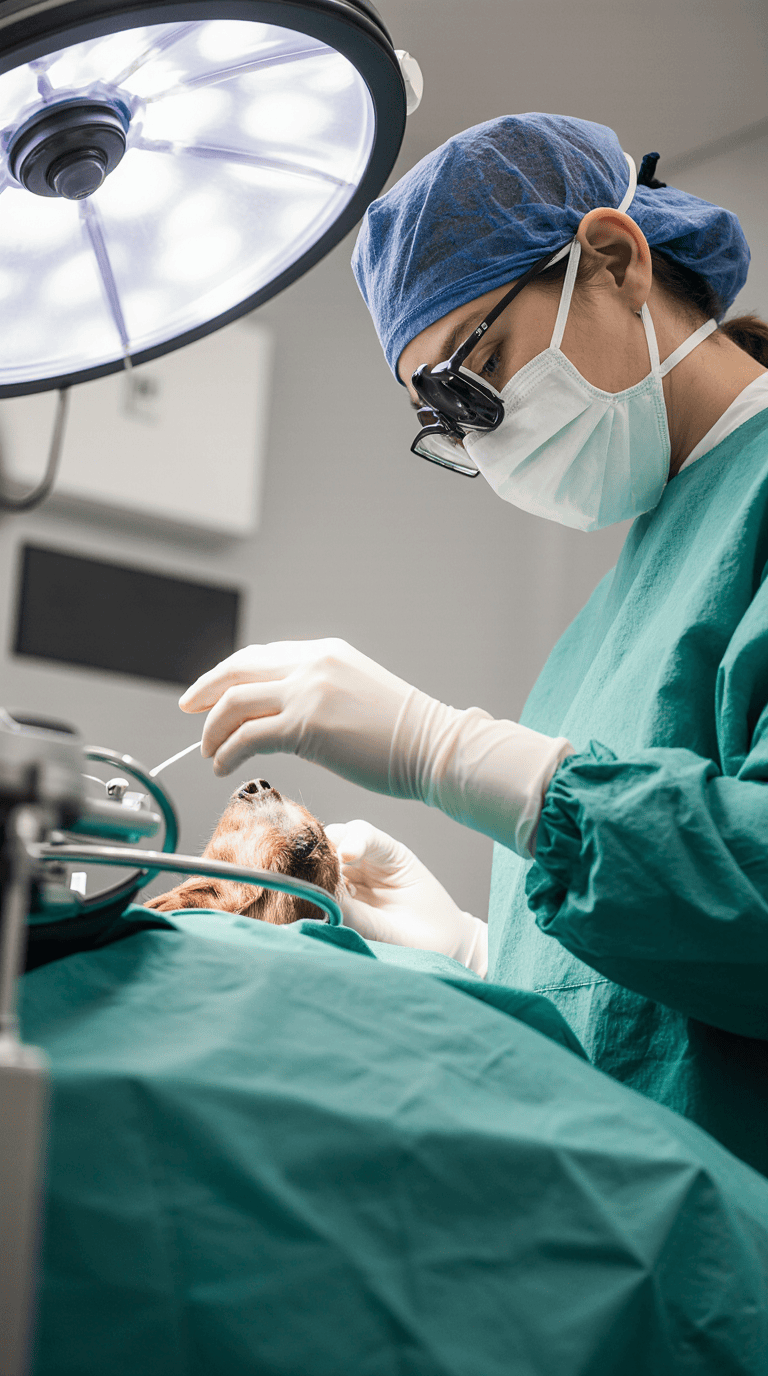
An airway assessment tells us which components are the problem. Narrow nostrils get widened. An elongated soft palate gets shortened. Other components get addressed if needed. Most patients have soft palate and nares corrected together in a single anesthetic event.Recovery is usually a few days of quiet time. Most owners report visibly easier breathing within the first month -quieter sleep, longer walks, better heat tolerance. The improvement is often more dramatic than owners expect.
The Long View
Every year of struggle causes more damage.
A dog forcing air through a compressed airway generates high pressure with every breath. Over years, that pressure weakens cartilage, thickens tissue, and creates secondary damage that is much harder to reverse.Young dogs recover fastest and benefit longest. Older dogs still benefit, but they may need more extensive correction. If your bulldog is struggling now and they are still under five years old, the timing to act is now.
Frequently Asked Questions
Is loud breathing normal for a bulldog?
Common, but not normal or healthy. Loud breathing means the airway is compressed and your dog is working harder than they should. Most bulldogs benefit from an airway assessment even if the signs seem mild.
How do I know if my bulldog needs surgery?
An airway assessment tells us how severe the obstruction is and whether surgical correction will help. Signs like daily loud snoring, exercise intolerance, or heat sensitivity are worth investigating -the assessment is straightforward.
How long is recovery from airway surgery?
Most patients are comfortable within a few days. Full healing takes about two weeks. Owners often notice quieter sleep and easier breathing within the first month, with continued improvement over several months.
Go Deeper
The next step.
Read how the correction works, and the full picture of what BOAS is.