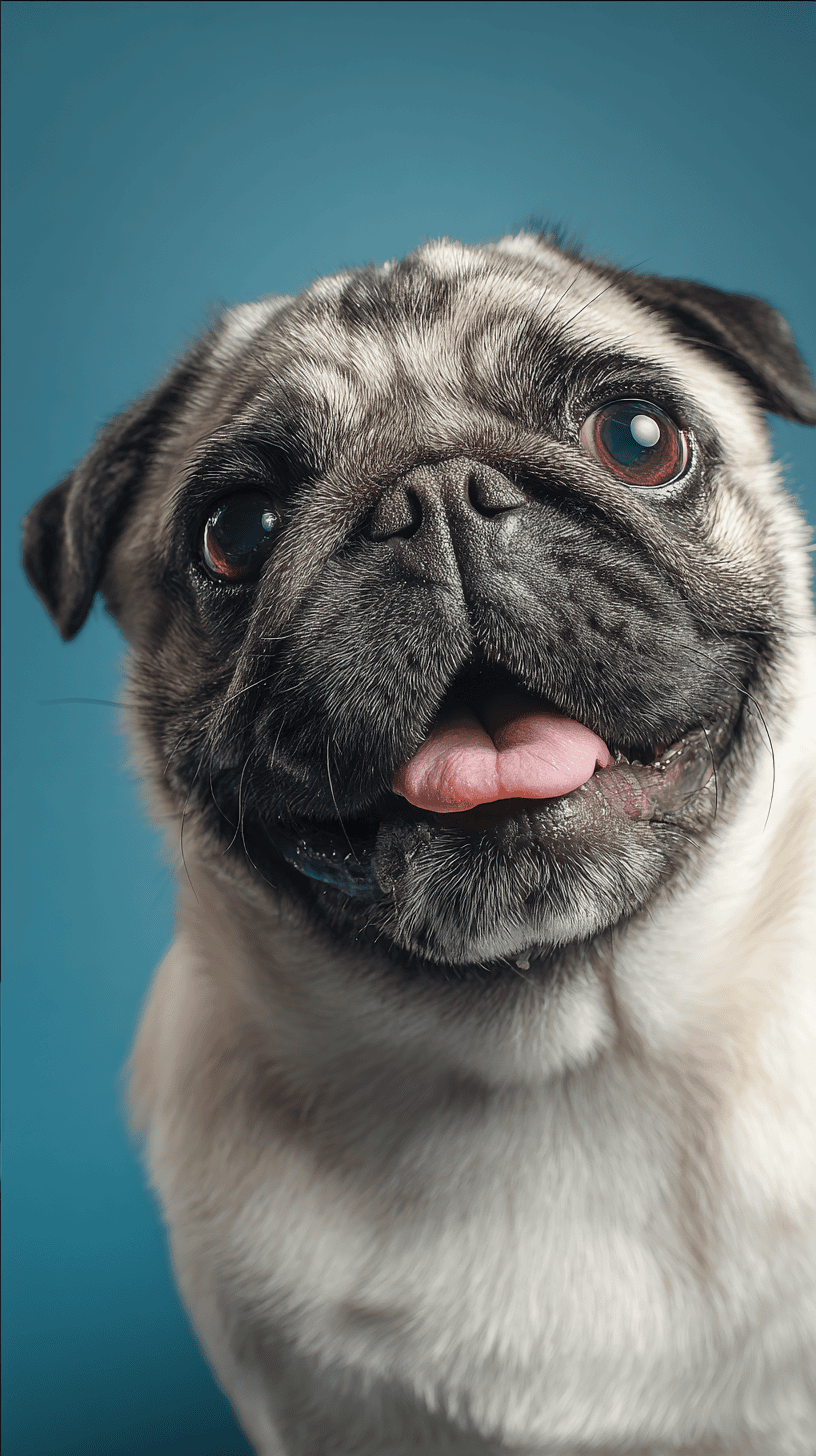
Brachycephalic Obstructive Airway Syndrome (BOAS) is what happens when a flat-faced dog's skull is bred smaller but the soft tissue inside the airway is not. Nostrils that are too narrow. A soft palate that is too long. A windpipe that is too small.The result is a dog who has to work harder for every breath -all day, every day. Some components are visible from the outside. Others are only visible during an airway exam under sedation.
The Breeds
Not just bulldogs.
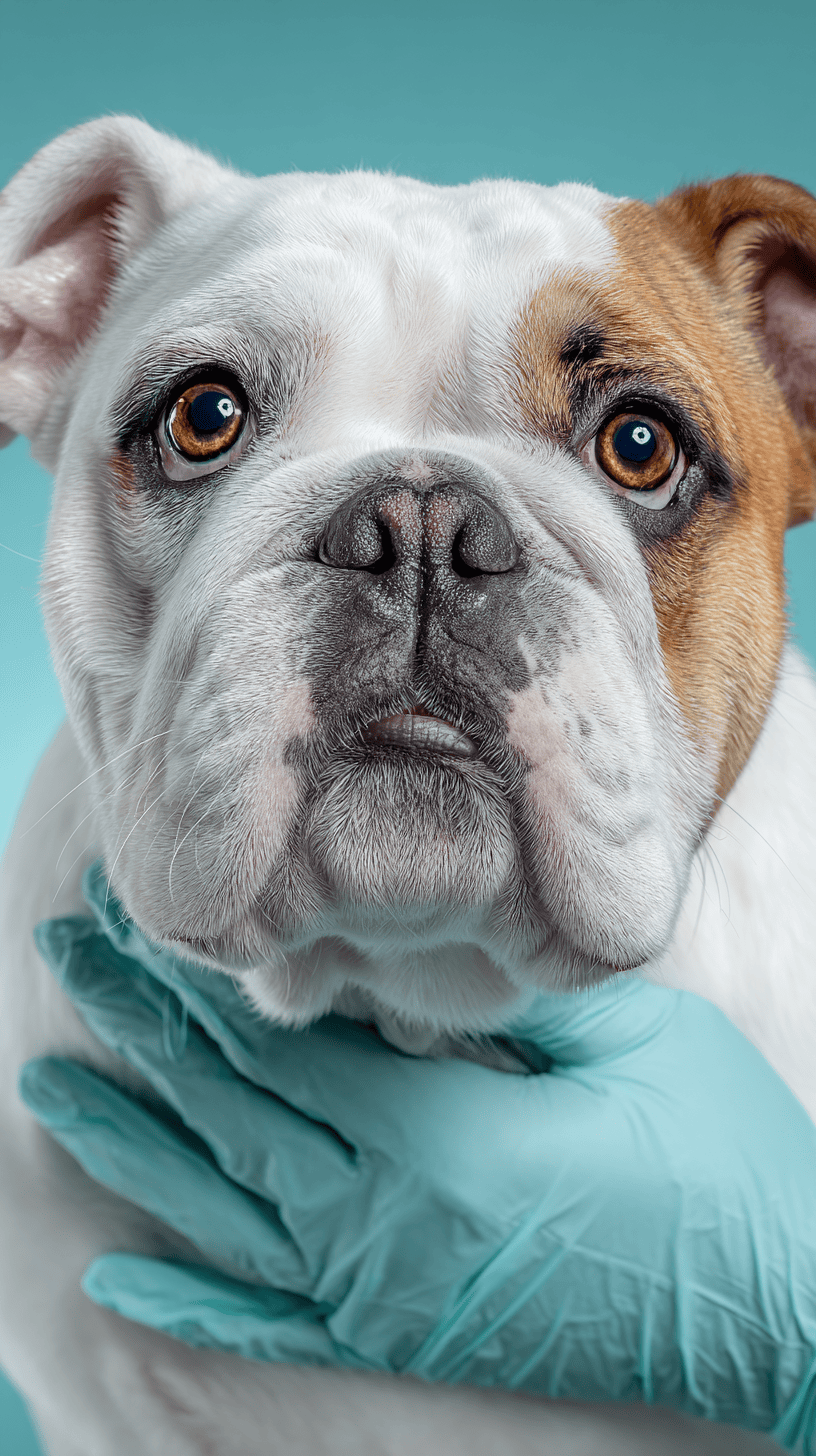
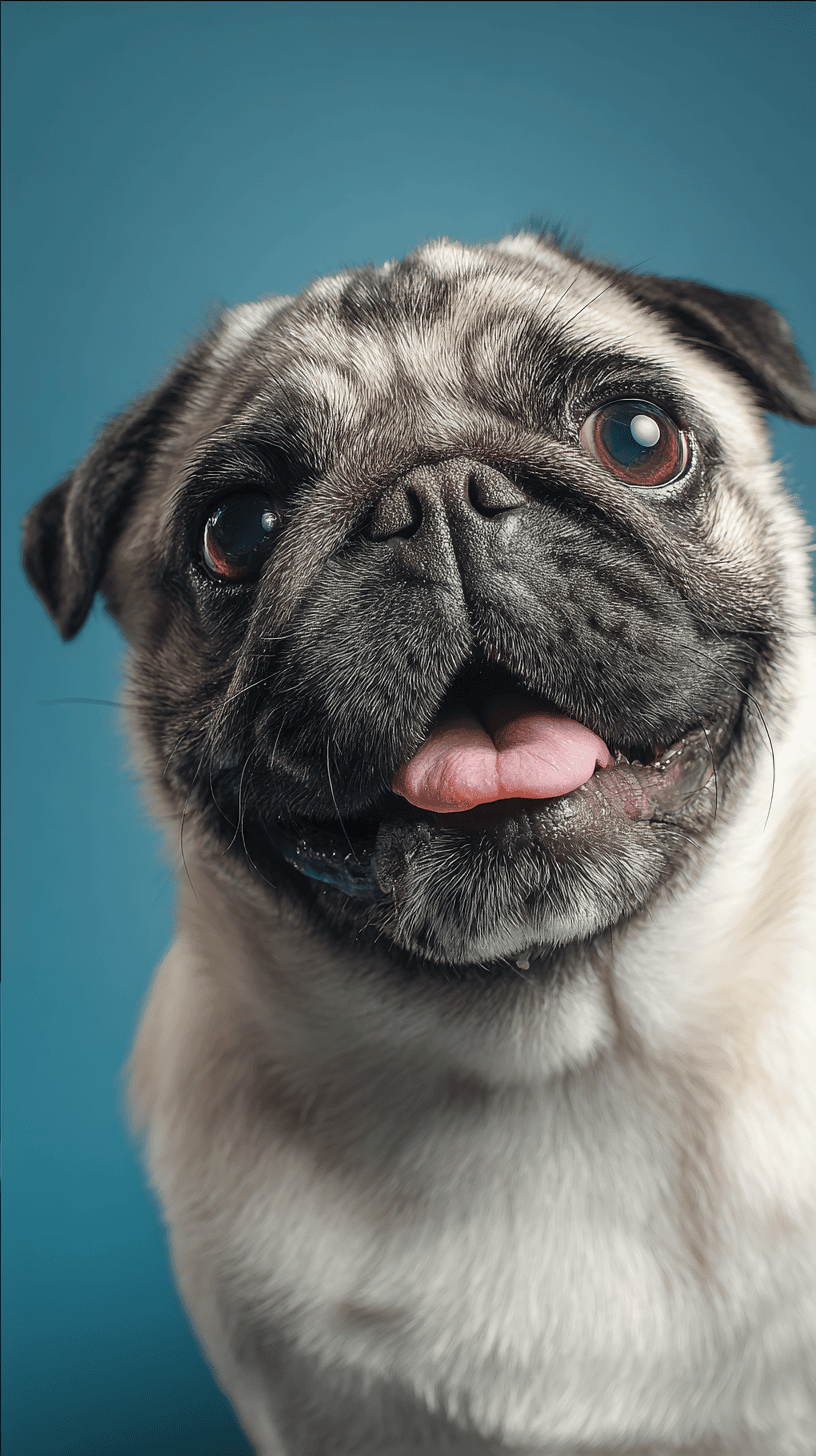
French Bulldogs, English Bulldogs, Pugs, and Boston Terriers are the most affected. Boxers, Shih Tzus, and Pekingese also show BOAS features. Not every flat-faced dog has severe BOAS, but most have some degree of it.Severity varies within a breed and even within a litter. Two French Bulldogs from the same parents can have very different airways. That is why an individual assessment matters more than a breed assumption.
What to Watch For
You are not overreacting.
Loud snoring is the most common sign. Others: snorting, gagging, difficulty catching breath after exercise, overheating in mild weather, blue-tinged gums after exertion, or sleeping in strange positions to keep the airway open.Owners often normalize these signs because they are common in the breed. They are common because the airway is compressed -not because it is healthy. If your dog is doing any of this daily, it is worth an assessment.
The Progression
Every hard breath causes more damage.
A dog struggling to breathe generates high pressure inside the airway with every inhalation. Over years, that pressure damages the airway wall. Tissue thickens. Cartilage weakens. What started as mild snoring becomes severe obstruction.Left untreated, BOAS also strains the heart and reduces exercise tolerance further. Older brachycephalic dogs often develop secondary complications that could have been prevented by earlier surgical correction.
The Fix
Correct the components that need correcting.
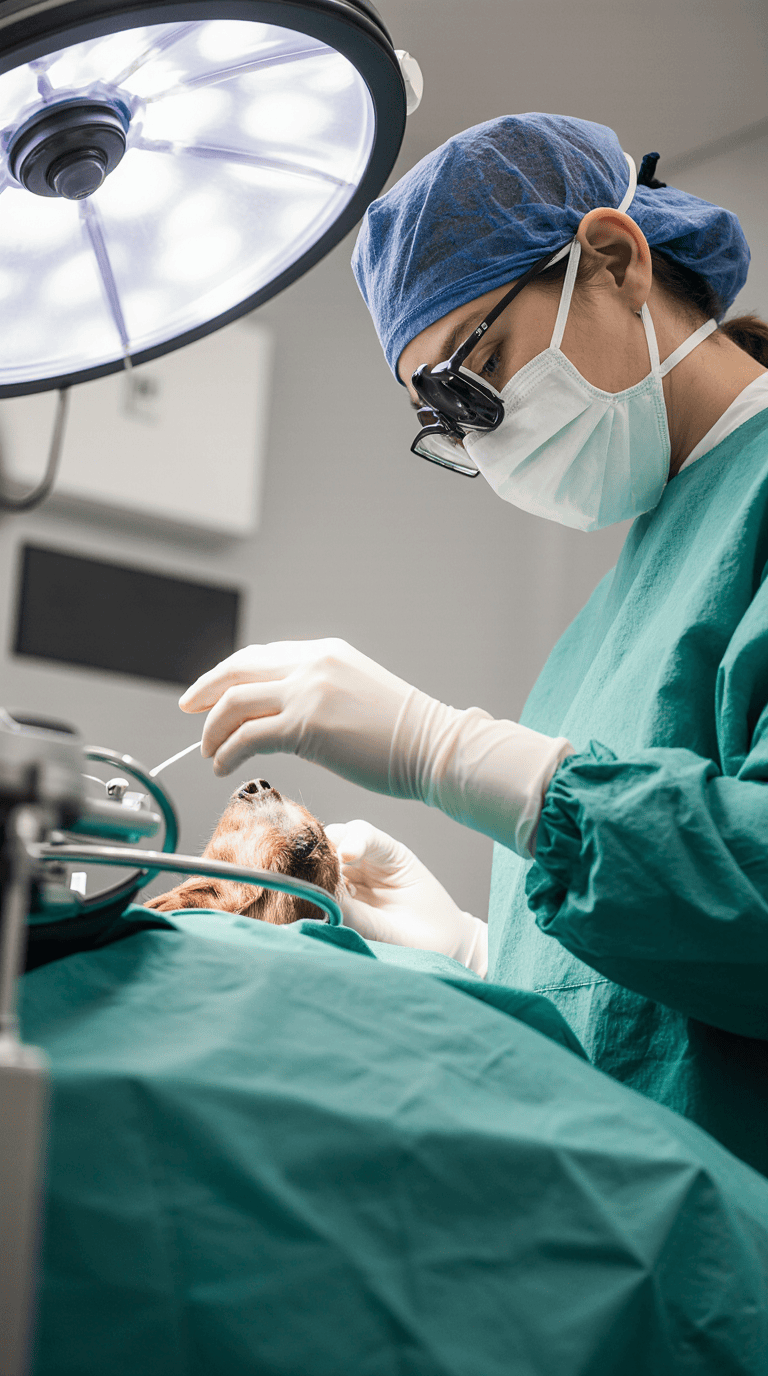
BOAS surgery at Oso addresses the specific problems in your dog's airway. Elongated soft palate: shortened. Narrow nostrils: widened. Both often addressed in a single anesthetic event to minimize recovery.Most patients breathe visibly easier within a few weeks of surgery. Owners often describe the change as dramatic -a dog who suddenly sleeps quietly, runs longer, and does not overheat on a normal walk.
The Timing
Sooner is better.
Ideally we assess and address BOAS while your dog is young -often at the same time as spay or neuter. Younger patients recover faster and get the airway benefits for their whole life, before secondary damage builds up.Older dogs still benefit. We have corrected airways in dogs of every age. But the earlier the correction, the less compensation your dog's body has to do over a lifetime.
Frequently Asked Questions
Does my French Bulldog really need this surgery?
Not every flat-faced dog does -but if yours snores loudly, struggles in heat, or gets winded quickly, they likely have BOAS. An airway assessment tells us how severe and whether correction will help.
At what age should we do this?
Ideally young -often at spay or neuter age. Younger dogs recover faster and avoid years of airway wear. But we have corrected airways in dogs of every age, and older dogs still see meaningful improvement.
Is it dangerous to leave untreated?
Yes. Dogs who struggle to breathe for years develop secondary airway damage, heart strain, increased anesthesia risk, and reduced quality of life. Earlier correction prevents most of these downstream problems.