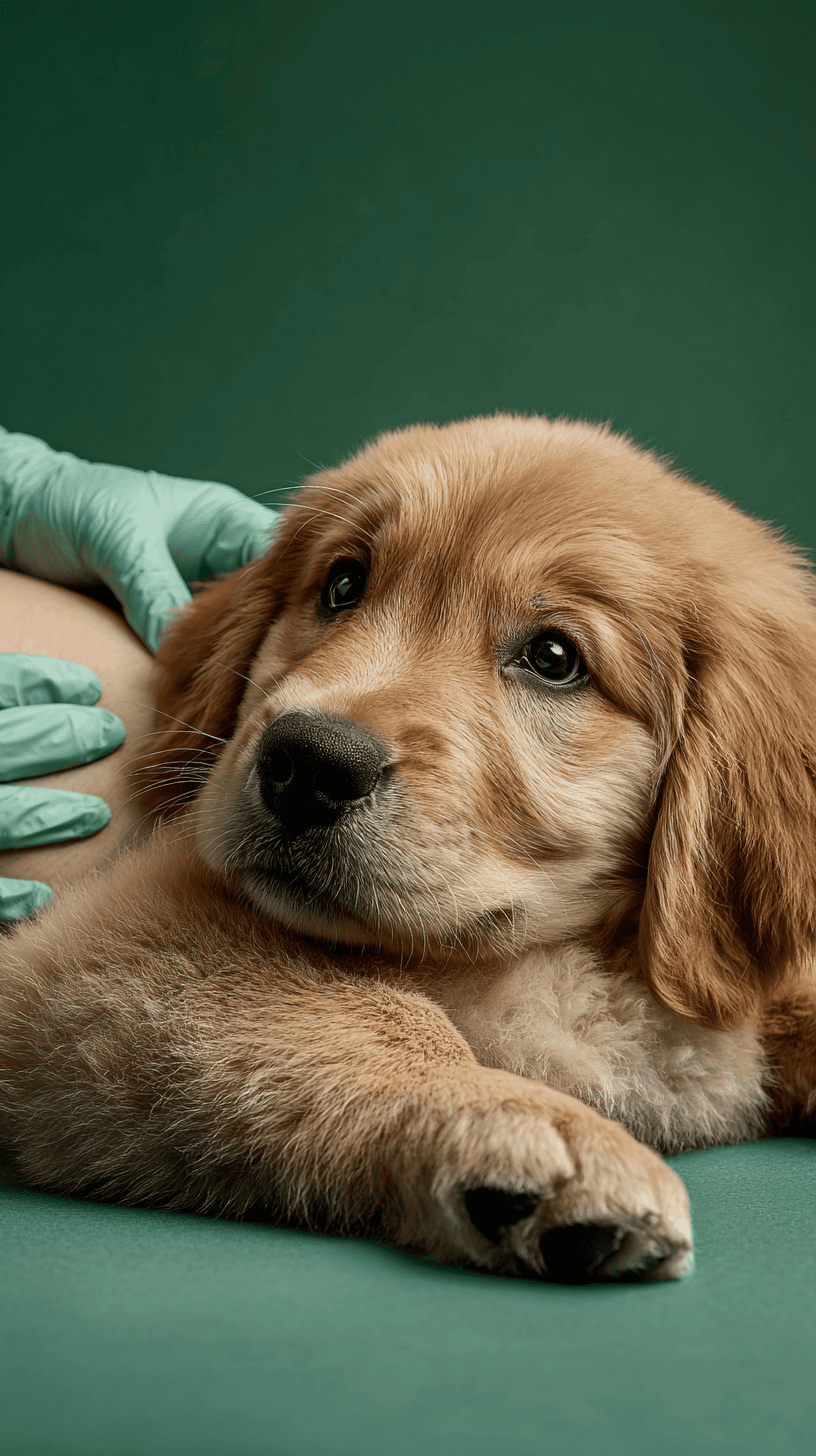
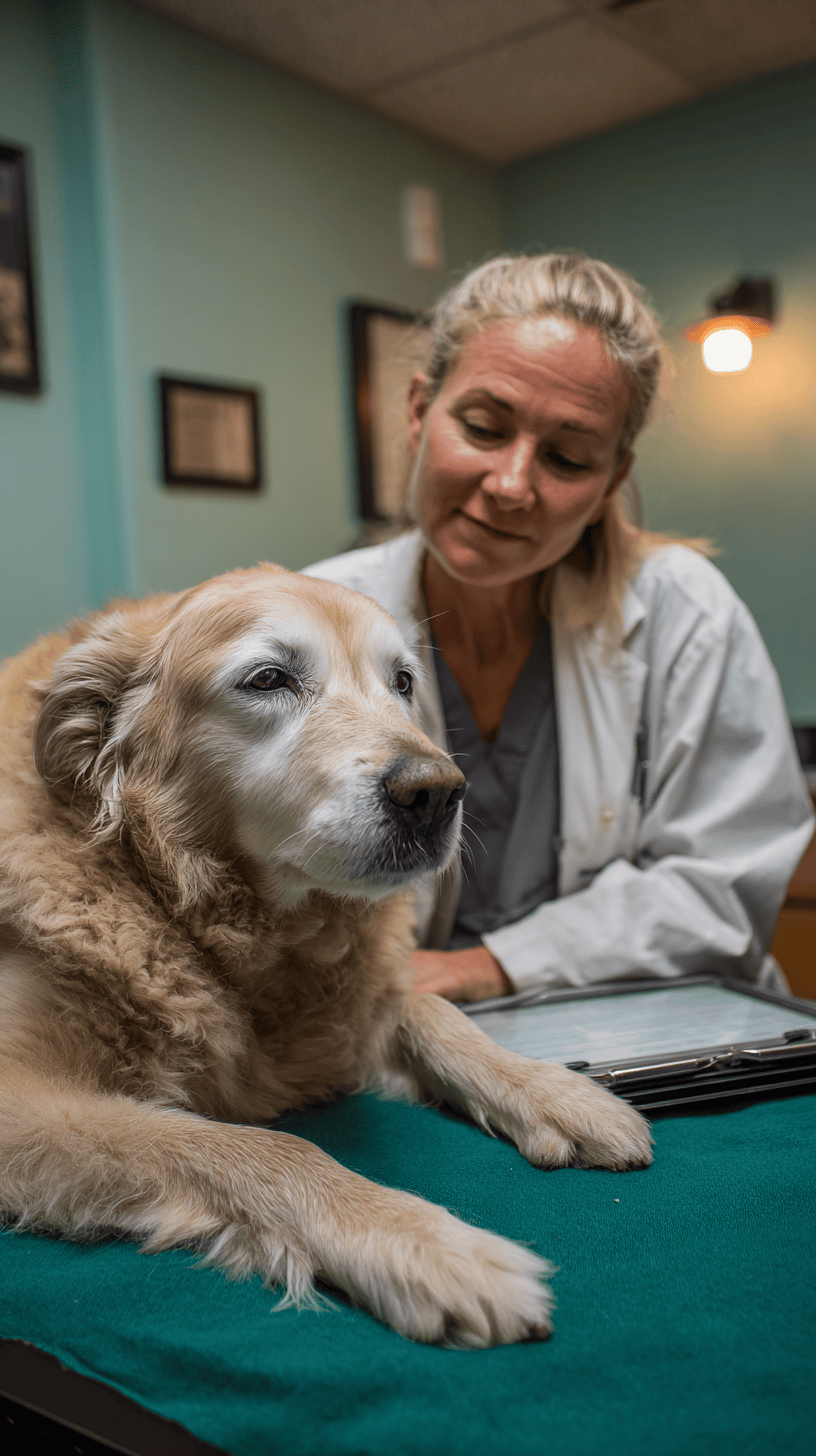
Both procedures prevent pregnancy, cancer risk, and pyometra. The difference is how we get there. A traditional spay uses a single incision two to four inches long. A laparoscopic spay uses two half-inch incisions and a camera to work inside the abdomen.Same result -a spayed dog. Different day-one, different first week, different amount of pain your dog experiences during recovery.
The Standard
One incision, both ovaries and uterus.
In a traditional spay, we make a two-to-four inch incision along the midline of the abdomen. We locate the ovaries and uterus, tie off the blood supply, and remove both.It is a well-established, effective surgery that has been performed on millions of dogs. But the incision is long enough that recovery takes time -10 to 14 days of restricted activity, an e-collar for most of that, and real soreness for the first few days.
The Alternative
Two small incisions, ovaries only.
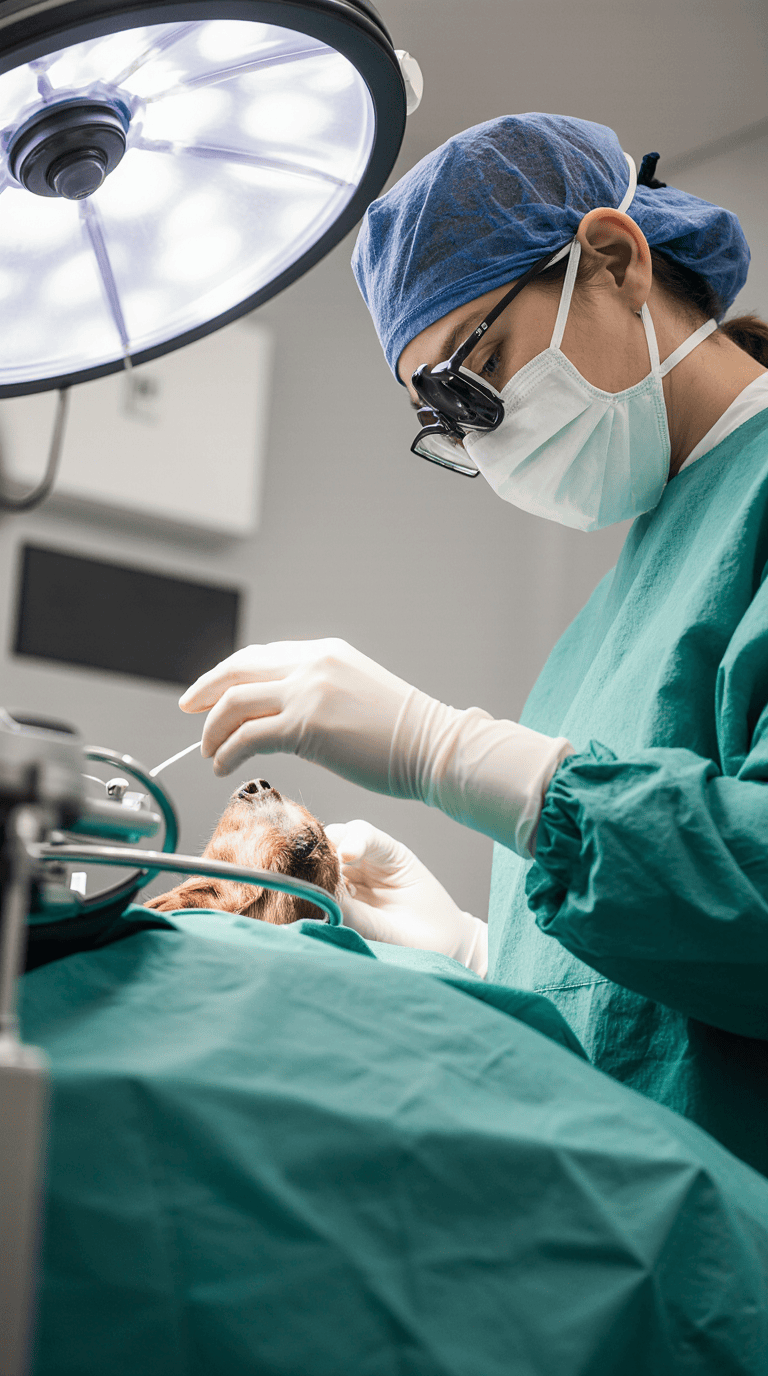
In a laparoscopic spay, we make two incisions about half an inch each. A camera goes in one, instruments go in the other. We remove only the ovaries -which is enough to prevent pregnancy and eliminate cancer risk. The uterus stays.Because we can see inside the abdomen clearly on a monitor, we can work with precision through very small openings. The surgeon's view is often better than in an open procedure.
The Real Difference
The first week is what changes.
Studies show up to 65% less pain with laparoscopic spay. In practice, most owners see a dog who is back to nearly normal within a day or two, versus 10 to 14 days for a traditional spay. The e-collar timeline shrinks. Activity restriction shrinks.The two half-inch incisions heal fast, and the reduced tissue disruption means less internal soreness. Your dog is more comfortable, and you have less recovery to manage at home.
The Fit
Most dogs, but not all.
Most female dogs are excellent candidates for laparoscopic spay. Small dogs, medium dogs, large dogs. Puppies at the right age and older dogs alike.The main reasons to choose traditional spay: certain uterine conditions where we need to remove the uterus, dogs with previous abdominal surgery that has changed the anatomy, or specific risk factors that make traditional the safer choice. We assess every dog individually before recommending.
The Choice
We recommend laparoscopic.
Oso has been performing laparoscopic spay since 2007. We are one of the few practices in Orange County with this level of experience. The equipment, the training, and the surgical team are here.For most dogs, the reduced pain and faster recovery are worth choosing over the traditional approach. But we will always tell you if your dog is better served by the standard procedure. The right answer is the one that fits your dog.
Frequently Asked Questions
Is laparoscopic spay always better?
For most dogs, yes -reduced pain, faster recovery, smaller incisions. But some dogs are better served by traditional spay depending on specific medical or anatomical factors. We assess each patient before recommending.
How does recovery really compare day to day?
Most laparoscopic patients are moving comfortably within a day and back to nearly normal within a few days. Traditional spay recovery typically takes 10 to 14 days of restricted activity, soreness, and e-collar wear. The difference is not subtle.
Does laparoscopic spay cost more?
Yes -specialized equipment and training add cost. Most owners feel the reduced recovery time, fewer complications, and dramatically less pain are worth the difference. We provide a clear estimate before scheduling.
Go Deeper
The procedure.
Read how laparoscopic spay works at Oso, and what the first week home looks like.