Bladder stones form when minerals in the urine crystallize and clump together. They can start smaller than a grain of rice and grow to the size of a marble. Some dogs pass small stones without anyone noticing. Others develop stones large enough to obstruct urination, and that turns into an emergency fast.Certain breeds and diets increase risk, but any dog can develop them. If your dog has had them before, there is a real chance they will come back without a plan to prevent them.
The Signs
Small changes worth noticing.
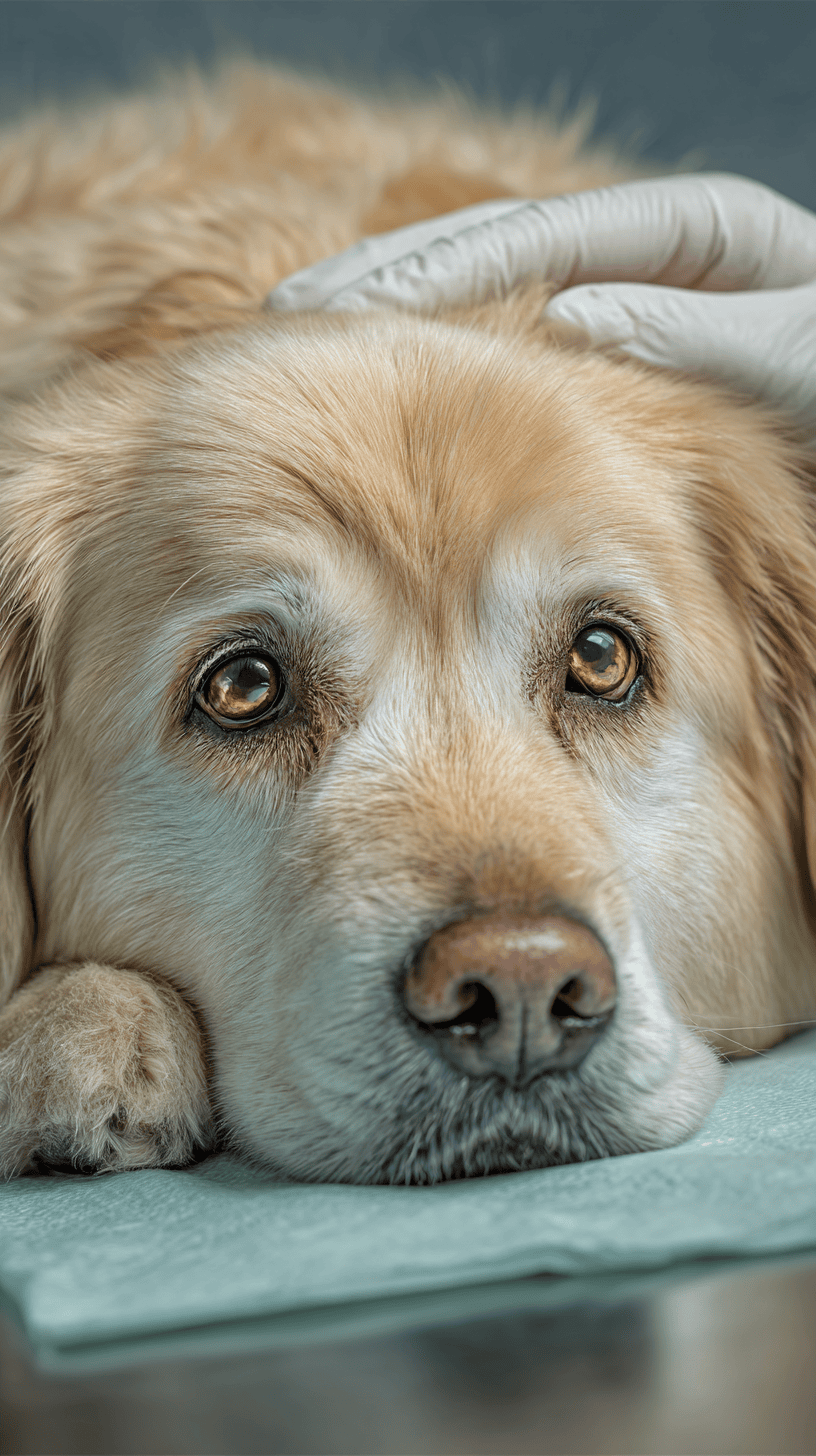
Straining to urinate is the most common sign. You may see frequent small accidents, urgency to get outside, or blood in the urine. Some dogs lick at the area more than usual. Others become quieter than normal without an obvious reason.These signs are easy to mistake for a urinary tract infection. In many cases, the two conditions travel together -stones cause chronic irritation that leads to infections that keep coming back.
The Emergency
When a stone blocks the way out.
If your male dog is straining to urinate and no urine is coming out, treat it as an emergency and call us or your nearest ER immediately. A stone lodged in the urethra can prevent urination completely, and that becomes life-threatening within hours.Signs of a blockage include repeated squatting with no result, restlessness, vocalizing, a hard abdomen, or vomiting. Do not wait to see if it resolves on its own.
The Workup
Two images and a clear picture.
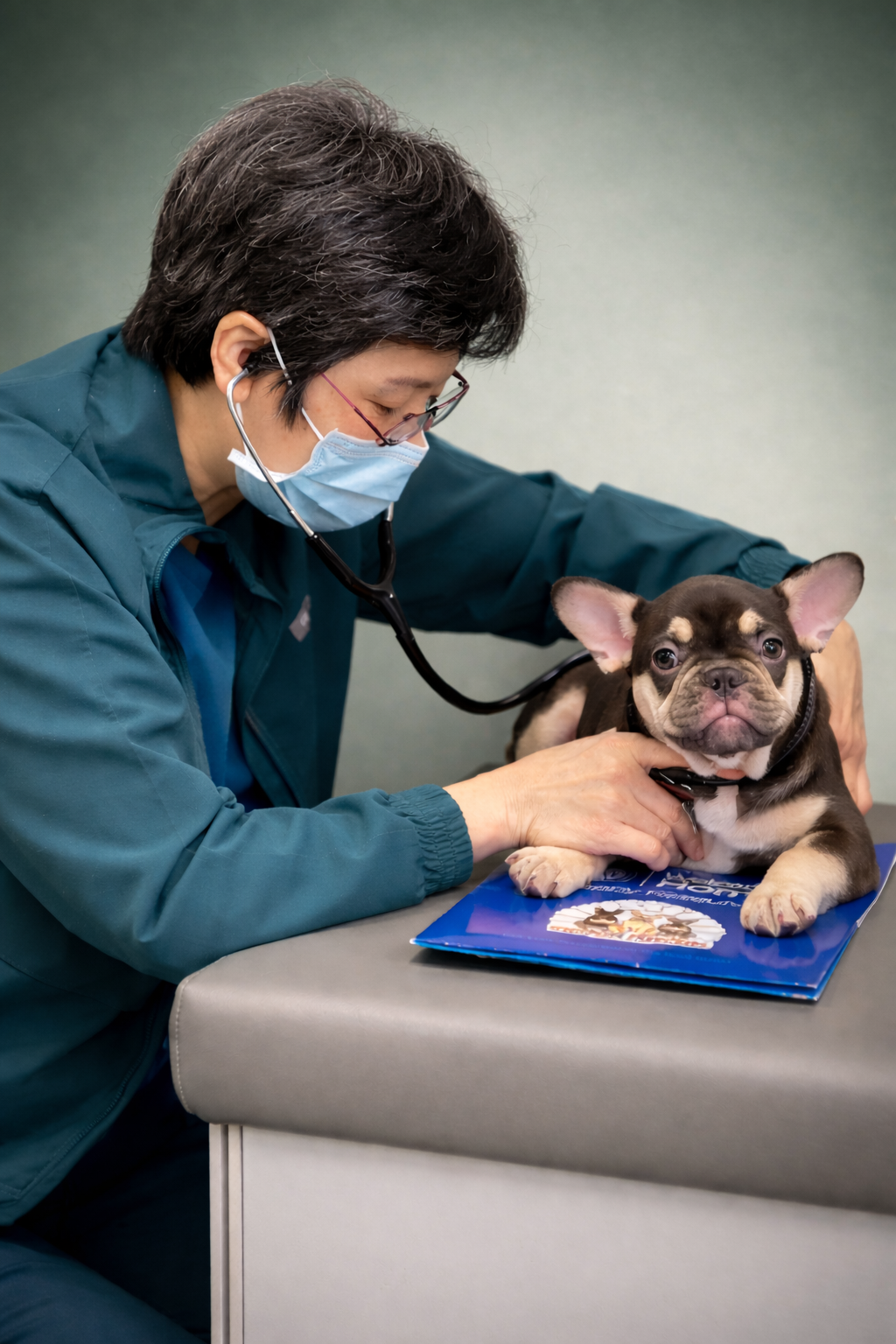
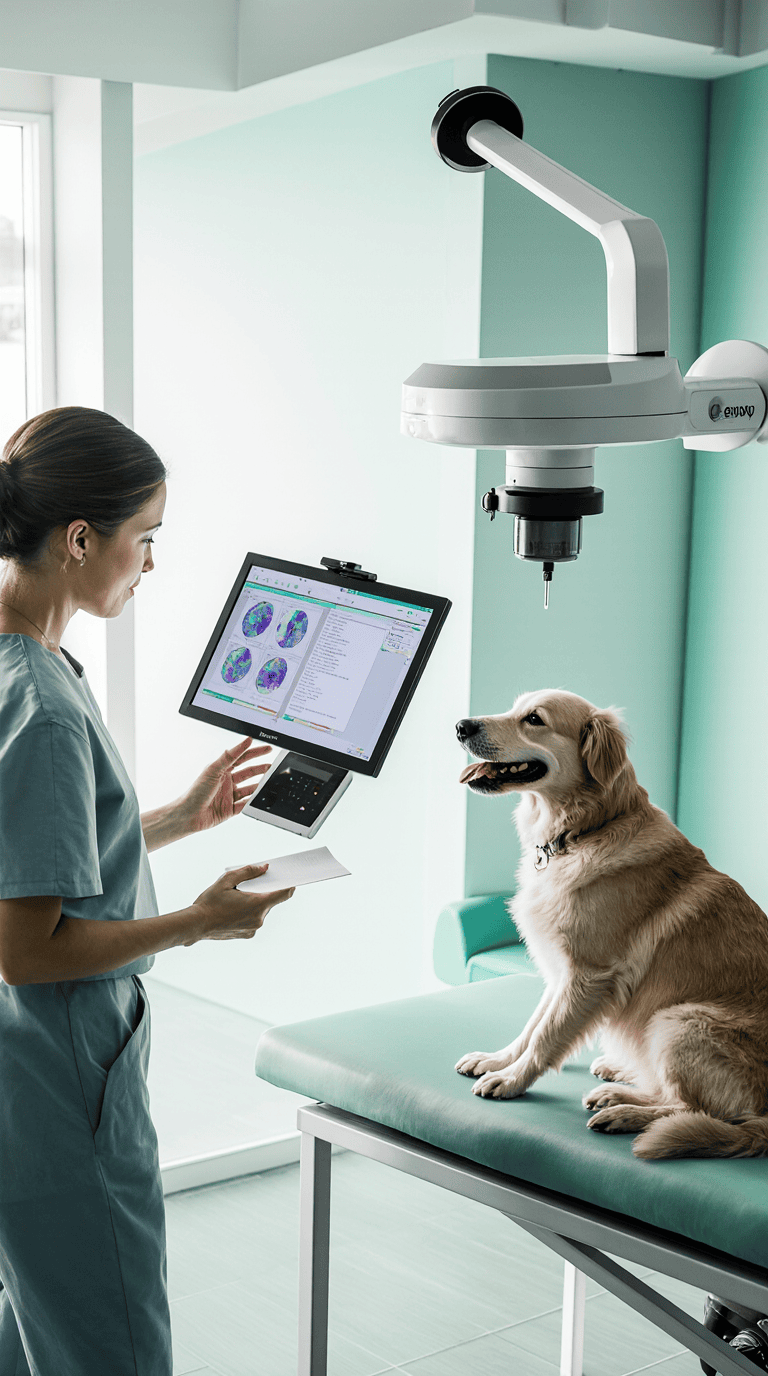
Diagnosis usually starts with a physical exam and urinalysis, then imaging. Radiographs show most stones. Ultrasound catches the ones X-rays miss and shows us stone size and burden. In many cases we combine both.When we need to see inside the bladder directly, cystoscopy lets us look at the bladder wall and urethra with a small camera -and if we find stones we can often treat them in the same anesthetic event.
The Options
Two paths, one goal.
For many pets, we can now remove stones with laser lithotripsy -the laser breaks stones into dust that flushes out naturally, all through a scope with no incision into the bladder. Recovery is faster and there are no sutures to protect.For very large stone burdens or stones that will not fit through the urethra, traditional bladder surgery (cystotomy) is still the right answer. After imaging, we tell you honestly which fits your pet.
The Long View
Preventing the next round.
Once stones are removed, we send them for analysis to identify the mineral type. That answer shapes prevention -a specific diet, urine monitoring, or medication depending on stone chemistry.Most pets go home the same day. We recheck urine, sometimes imaging, at intervals we build around your dog. The goal is not just clearing today's stones -it is making sure the next round never happens.
Frequently Asked Questions
How do I know if my dog has bladder stones?
Common signs include straining to urinate, frequent small accidents, urgency to get outside, blood in the urine, or licking at the area. A male dog who is straining with no urine coming out is an emergency -call us or your nearest ER immediately.
Does my dog need surgery, or is there another option?
For many pets, laser lithotripsy can break stones apart and clear them through the urethra with no surgical incision. Very large stone burdens still do better with traditional surgery. Imaging tells us which fits your dog.
Will the stones come back?
Some types recur without prevention. Once we identify the stone type from analysis, we can build a specific plan -usually a diet change, sometimes medication, always monitoring. Most dogs on a good prevention plan stay stone-free.
Go Deeper
The procedures.
Read how each approach actually works, step by step.